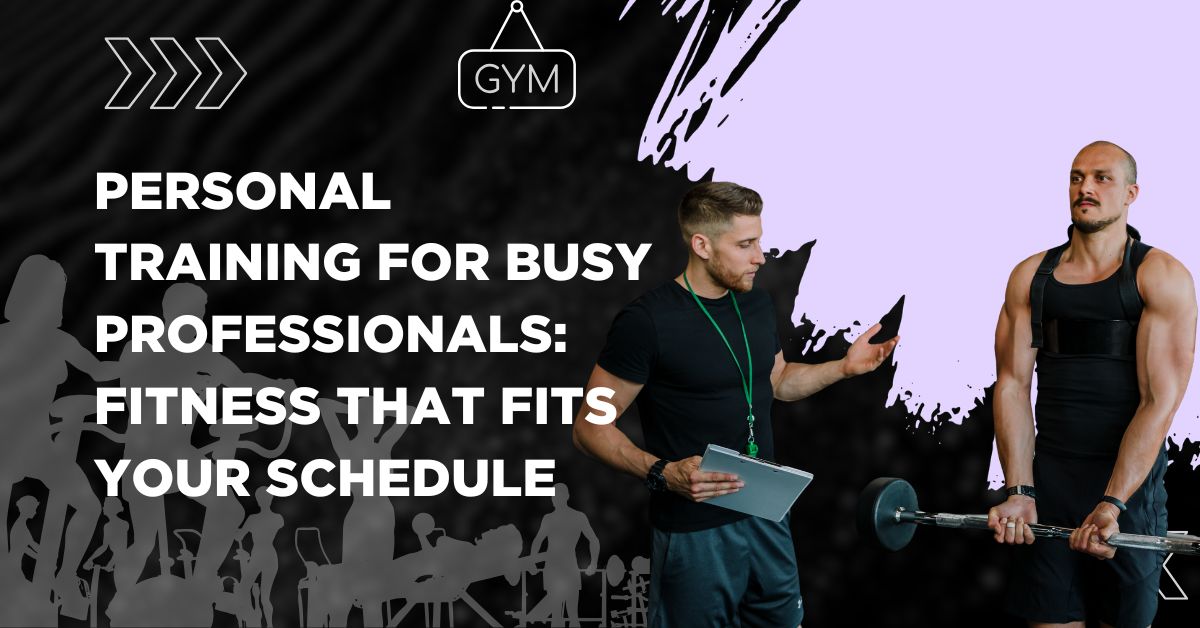
Summary : Busy workdays, long commutes, shift duties, and family responsibilities can make fitness feel out of reach. This blog explains how personal training helps professionals stay consistent with time-efficient workouts, flexible scheduling, tailored plans, accountability, and simple nutrition habits that fit real-life routines.
For many busy professionals, fitness is not the problem, finding time for it is. Between work pressure, meetings, travel, family duties, and unpredictable daily routines, exercise often gets pushed to the end of the list. Over time, that creates a cycle of low energy, stress, and inconsistent health habits. This is especially true for people in demanding roles, including those working long shifts or physically active jobs such as security services.
The good news is that fitness does not have to take over your schedule to make a real difference. Personal training offers a practical and realistic way to stay active without wasting time. With the right structure, even a packed calendar can support steady progress, better energy, and improved overall health.
Why Do Busy Professionals Struggle To Make Time For Fitness?
The biggest challenge for working adults is not always motivation. In most cases, it is timing. When the day starts early and ends late, exercise becomes something people keep delaying. A sudden call at work, overtime, family needs, or exhaustion after a long shift can easily break even the best intentions.
Stress also plays a major role. When the mind is overloaded, the body often feels tired before the workout even begins. Many people believe they need a full hour or more to exercise properly, so when they only have 20 or 30 minutes, they skip it entirely. That mindset creates unnecessary pressure. In reality, shorter and smarter workouts can be highly effective when they are planned well.
What Makes Personal Training A Good Choice For Busy Professionals?
Personal training at the gym works because it is built around the person, not the other way around. Instead of following a generic workout plan, you get a routine that matches your goals, schedule, and current fitness level.
Personalized Workouts That Save Time
A personal trainer designs sessions that focus only on what matters most. There is no wasted effort, no confusion, and no need to guess what to do next. Every movement has a purpose. That makes workouts more efficient and easier to stick with, especially when time is limited.
Flexible Scheduling Around Work Commitments
Busy professionals need fitness support that fits around their routine. Personal training in the gym makes it easier to choose the right time for exercise, whether that is early morning, after work, or on weekends. For people with rotating shifts or unpredictable hours, this flexibility is a major advantage.
Efficient Full-Body Training Approaches
The most effective fitness plans for busy people usually include compound movements and functional exercises. These save time while training multiple muscle groups at once. Squats, push movements, pulling exercises, core work, and mobility drills can deliver strong results in short sessions.
Accountability That Keeps You Consistent
One of the biggest benefits of personal training at the gym is accountability. It is easier to stay committed when someone is tracking progress, guiding each session, and helping you stay on course. That extra layer of support often makes the difference between starting and actually continuing. Many professionals also wonder whether investing in a trainer is worthwhile. If you are evaluating the benefits, read our guide on Is Hiring A Gym Personal Trainer Worth It? A Complete Guide to understand how professional coaching can improve consistency and results.
What Are The Benefits Of Personal Training at Gym For Working Professionals?
Personal training offers more than just physical improvement. It also supports better daily performance, stronger discipline, and a healthier mindset.
Better Energy Throughout The Day
Regular exercise can improve stamina and reduce that tired, drained feeling many professionals experience during long workdays. When your body gets used to moving consistently, daily tasks often feel easier to manage.
Research on the health benefits of regular exercise shows that consistent physical activity can improve energy levels, mood, and daily productivity.
Improved Strength And Physical Fitness
A well-structured training program helps build strength, stability, and mobility. That matters not only for appearance but also for everyday movement, posture, and injury prevention. For people with demanding work routines, being physically strong can make daily activity feel less tiring.
For individuals looking to increase strength without risking injury, learning the right training techniques is essential. Our article on How Personal Training Helps Build Muscle Safely and Effectively explains how expert guidance supports sustainable muscle growth.
Effective Stress Management
Exercise is one of the most reliable ways to reduce stress. It gives the mind a break from constant pressure and helps release tension built up through the day. Even a short workout can improve focus, mood, and mental clarity.
Better Work-Life Balance
When fitness is planned properly, it becomes part of your routine instead of an added burden. That creates a more balanced lifestyle. You are not trying to “find” time anymore—you are making room for something that supports your health.
Increased Confidence And Discipline
Progress in fitness often creates a positive chain reaction. As strength improves and habits become more consistent, confidence rises too. That sense of control often carries over into other areas of life, including work and personal routines.
How Do Personal Trainers Create Time-Efficient Workout Plans?
A good trainer understands that busy people need results without unnecessary complexity. That is why sessions are designed to be focused, practical, and realistic.
Focusing On High-Impact Exercises
Instead of using long, repetitive workouts, personal trainers focus on exercises that give the best return on time. Full-body strength work, mobility movements, and functional drills can deliver strong results in a short period.
Using Short Yet Effective Sessions
Many professionals think a workout must last an hour to count. That is not true. A 30 to 45-minute session, when planned properly, can be highly effective. The key is intensity, structure, and consistency.
Combining Strength And Cardio Training
A balanced plan often includes both strength and cardio elements. This approach helps improve endurance, support fat loss, and build overall fitness without requiring separate long sessions every day.
Progressive Training For Sustainable Results
Personal training at the gym is not about quick fixes. It is about steady progress. A trainer adjusts the plan over time so the body continues to improve without burnout. That approach is especially helpful for professionals who want results they can actually maintain.
A Sample Weekly Fitness Schedule at Gym For Busy Professionals
A structured schedule makes fitness easier to follow. Here is a simple example of how a busy professional can stay active without overwhelming the week.
Day | Workout Focus | Duration |
Monday | Full Body Strength Training | 40 Minutes |
Tuesday | Mobility And Stretching | 20 Minutes |
Wednesday | Core And Functional Training | 40 Minutes |
Thursday | Active Recovery Walk | 30 Minutes |
Friday | Full Body Workout | 40 Minutes |
Saturday | Cardio Or Outdoor Activity | 30 Minutes |
Sunday | Recovery And Flexibility | 20 Minutes |
This kind of schedule works because it balances effort and recovery. It also makes the routine easier to follow, even during a busy week.
What Practical Fitness Strategies Work Best For Busy Professionals?
A busy life needs a practical system. The right habits can make fitness feel much more manageable.
Schedule Workouts Like Important Meetings
When exercise is placed on the calendar, it becomes a real commitment. Treating it like any other important appointment helps reduce the chance of skipping it.
Use Morning Sessions For Better Consistency
Morning workouts often work well because they are less likely to get interrupted by work demands or unexpected tasks. Many professionals find it easier to stay consistent when they train before the day gets hectic.
Make Use Of Short Workout Windows
Not every session needs to be long. Even 20 to 30 minutes of structured movement can help maintain momentum. That is especially useful for people with unpredictable work hours or high-pressure schedules.
Focus On Consistency Over Perfection
Missing a workout occasionally is normal. What matters most is returning to the routine quickly. Long-term results come from steady effort, not from doing everything perfectly.
What Nutrition Habits Help Busy Professionals Stay Healthy And Fit?
Fitness progress is not only about exercise. Daily eating habits also play a big role in energy, recovery, and performance.
Plan Meals In Advance
When meals are planned ahead, it becomes easier to avoid unhealthy last-minute choices. Even simple meal prep can save time and support better nutrition throughout the week.
Following evidence-based healthy eating recommendations can make meal planning easier while supporting long-term fitness goals.
Prioritize Protein Intake
Protein supports muscle repair and helps keep you full for longer. That makes it an important part of any fitness routine, especially for busy people who may skip meals or eat irregularly.
Stay Hydrated Throughout The Day
Water supports energy, focus, and exercise performance. Many people feel tired simply because they are not drinking enough water during the day.
Keep Healthy Snacks Accessible
When healthy snacks are easy to reach, it becomes simpler to avoid junk food between meals. Nuts, fruit, yogurt, and other simple options can help maintain energy without slowing progress.
Why Does Professional Fitness Guidance Help You Achieve Results Faster?
Working with a trainer can save time because the plan is already built for you. There is no need to guess, research endlessly, or keep changing routines.
Expert Assessment And Goal Setting
A trainer can help identify what you actually need based on your current fitness level and goals. That makes the process more focused and efficient.
Correct Exercise Technique
Proper technique matters. It improves results and reduces the chance of injury. For busy professionals, avoiding setbacks is just as important as building strength.
Ongoing Progress Tracking
A trainer keeps track of improvements and adjusts the program when needed. This ensures that your time is being used well and that the routine continues to challenge you.
Adaptability During Busy Periods
Some weeks are harder than others. A good training program can be adjusted during stressful periods, travel, or heavier work schedules so you stay on track without losing momentum.
How Do You Choose The Right Personal Training Center For Your Lifestyle?
- Choose a training Center that aligns with your daily schedule, fitness goals, and personal commitments.
- Look for flexible training options if you have long working hours or an unpredictable routine.
- Ensure the training includes personalized workout plans rather than a one-size-fits-all approach.
- Select a trainer who understands your fitness level, lifestyle challenges, and long-term objectives.
- Prioritize clear communication and ongoing support throughout your fitness journey.
- Look for realistic and achievable fitness plans that fit comfortably into your routine.
- Make sure the trainer can adapt workouts when your work schedule becomes more demanding.
- Check whether progress tracking and regular assessments are included in the training.
- Choose a trainer who focuses on consistency and sustainable results rather than quick fixes.
- For busy professionals in PCMC, finding a trainer who offers practical, lifestyle-friendly guidance can make it much easier to maintain long-term fitness habits.
Choosing a fitness center that offers convenient timings and quality training support can make it much easier to stay consistent. Our blog How to Choose the Right Fitness Center in PCMC? highlights the key factors to consider before joining a gym.
Your Busy Lifestyle Deserves A Smarter Fitness Solution
A busy career should not stop you from taking care of your health. At Orca Fitness, we help busy professionals reach their fitness goals with simple personal training plans that fit into daily life. Whether you want to build strength, lose weight, improve stamina, or feel more active, our trainers create a plan that suits your routine.
If you are looking for a reliable personal trainer in PCMC, Orca Fitness is here to help. With flexible timing, expert support, and steady motivation, we make it easier to stay on track and see results. Contact us today and start your fitness journey with a plan that works for you.
Frequently Asked Questions
How Many Days A Week Should A Busy Professional Work Out?
Most people can see strong results with three to five well-planned workouts each week, depending on their goals and schedule.
Are Short Workouts Effective For Fitness?
Yes. Short workouts can be highly effective when they are structured properly and performed consistently.
Can Personal Training Help With An Unpredictable Work Schedule?
Yes. Personal training is especially useful for people who need flexible timing and customized workout plans.
What Kind Of Training Works Best For Busy Professionals?
Full-body strength training, functional movement, mobility work, and short cardio sessions are often the most time-efficient choices.
How Soon Can Results Be Seen With Personal Training?
Many people notice better energy, improved strength, and more consistency within a few weeks. Physical changes usually take longer and depend on regular effort.